

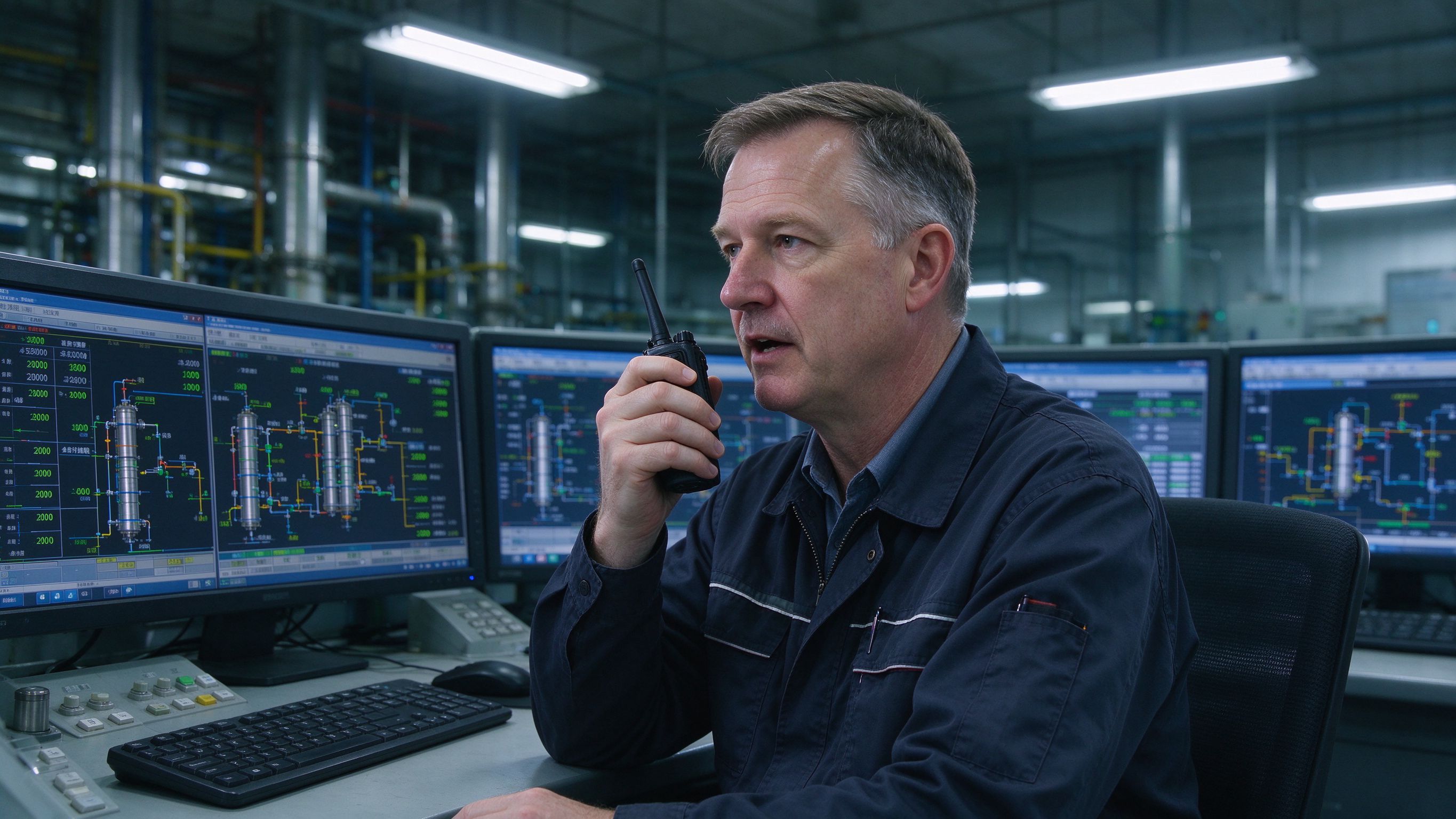



Radio Bulk Deal supplies business-ready two-way radios for teams that need fast, clear communication without depending on cellular coverage. Our wholesale walkie talkies support hotels, casinos, event crews, contractors, schools, churches, municipal facilities, warehouses, marine operations, and aviation logistics teams. We help buyers compare analog and digital platforms, select the right durability rating, plan accessories, and organize larger fleet purchases around real working conditions.
A successful radio deployment is about more than buying the lowest-cost handset. Coverage, building materials, user count, battery life, channel management, licensing, accessories, and after-sales support all affect the total value of a communication system. Radio Bulk Deal focuses on matching each fleet with an appropriate combination of portable radios, earpieces, chargers, batteries, speaker microphones, programming, and replacement parts.
Choosing the Right Radios for Hospitality Operations
Hotels and resorts need communication equipment that remains discreet, comfortable, and dependable across guest rooms, kitchens, loading docks, parking areas, and maintenance corridors. The right radio for hotel use depends on the property layout, staff roles, construction materials, expected range, and the level of privacy required between departments.
Front desk staff often need lightweight radios with simple controls and clear audio. Housekeeping teams may benefit from durable handsets, remote speaker microphones, and acoustic earpieces that allow private conversations near guests. Engineering, security, valet, and maintenance personnel usually need stronger housings, higher audio output, and batteries that can last through extended shifts.
For many hospitality fleets, the following features deserve close attention:
- Clear audio in busy spaces: Hotels contain kitchens, elevators, banquet halls, HVAC rooms, and crowded lobbies. Noise suppression and a strong speaker can make more difference than a long specification sheet.
- Comfortable earpieces: Covert acoustic tubes, receive-only earpieces, and surveillance-style accessories can reduce disturbance in guest-facing areas. Select connectors that match the radio model and department workflow.
- Simple channel organization: Separate channels or talk groups can support housekeeping, engineering, security, events, and management without forcing every employee to hear every conversation.
- Battery planning: A fleet should include spare batteries, charging capacity, and a rotation plan. A radio that cannot complete a full shift is a workflow problem, regardless of its advertised range.
- Durability: Hospitality radios may be exposed to cleaning chemicals, drops, moisture, food service areas, and frequent handling. A suitable ingress rating and reinforced housing can reduce avoidable replacement costs.
Casino hotels and large resorts often require coordinated radio communication across security, surveillance, facilities, guest services, and event operations. Digital systems can support talk groups and improved voice clarity, while selected models may offer text messaging or status notifications. These functions should be evaluated carefully because not every radio, repeater, or software platform supports the same messaging features.
Radio Bulk Deal can help buyers define the number of users, operating zones, accessory requirements, and programming needs before placing a volume order. This approach is more useful than selecting a model solely by advertised range.
Digital and Analog Options for Commercial Fleets
Commercial buyers generally choose between analog FM radios, digital radios, or a mixed fleet. Analog equipment remains practical for simple voice communication, small teams, and environments where straightforward operation matters most. It can also be a cost-conscious option for departments that do not need advanced group management.
Digital platforms can provide sharper audio at the edge of coverage, efficient channel use, user identification, and additional functions such as text messaging or telemetry, depending on the equipment and system configuration. DMR Tier II digital walkie talkies are commonly considered for licensed professional systems because the DMR standard supports two-slot TDMA operation on a 12.5 kHz channel. This can improve spectrum efficiency when the system is properly engineered and licensed.
A digital purchase should be evaluated as a complete communication system rather than as a collection of handsets. Buyers should confirm:
- Whether the radio supports the required DMR tier and feature set.
- Whether the fleet needs repeaters, base stations, dispatch consoles, or remote control.
- How many talk groups and channels are required.
- Whether radios from different manufacturers can interoperate as expected.
- Which programming software, cables, and service permissions are needed.
- Whether text messaging, GPS, lone-worker alerts, or emergency buttons are included or optional.
- How firmware updates and replacement units will be managed.
Analog and digital radios should not be mixed casually. Even when units appear similar, signaling, channel spacing, encryption options, and programming requirements may differ. Radio Bulk Deal can help procurement teams compare like-for-like specifications and identify compatibility issues before deployment.
For United States buyers, frequency use and licensing should be reviewed with the appropriate authority or a qualified radio professional. Part 90 business and industrial radio operations may require licensing, while certain low-power consumer services follow different rules. The correct compliance path depends on the frequency, power, equipment category, location, and intended use. We encourage buyers to verify these details before placing a final order.
Durability for Construction, Facilities, and Industrial Work
Worksites are harder on radios than offices or retail environments. Contractors and facility teams may deal with concrete dust, rain, vibration, oil, drops, gloves, high noise, and large temperature changes. Commercial-grade contractor radios should therefore be selected by working conditions, not by appearance or a single range claim.
Useful durability indicators include ingress protection ratings, impact resistance, battery design, connector protection, and published environmental testing. An IP rating describes resistance to solids and water under defined test conditions. IP68 equipment can offer a high level of protection, but the exact test depth, duration, and manufacturer conditions still matter. Buyers should review the product documentation instead of treating IP68 as a guarantee for every type of immersion or chemical exposure.
Dustproof and waterproof two-way radios are often suitable for outdoor maintenance, landscaping, construction, public works, and industrial service teams. Marine-grade models may be better suited to docks, boatyards, waterfront facilities, and other environments where spray and moisture are persistent. A marine radio may also include floating construction or emergency signaling, but those features vary by model and should be confirmed before purchase.
A practical industrial radio specification review should cover:
- Housing material and drop resistance
- Sealed controls and accessory connectors
- Water and dust protection rating
- Audio performance in high-noise environments
- Glove-friendly buttons and display visibility
- Battery capacity and charging temperature limits
- Availability of belt clips, cases, and replacement antennas
- Warranty terms for water exposure and accidental damage
- Serviceability after repeated field use
Radio reviews are most useful when they reflect comparable conditions. A radio that performs well in a quiet warehouse may not be the right choice for a steel-framed construction site. Range also depends on terrain, antenna height, obstructions, frequency, power, and whether a repeater is used. We help buyers evaluate these factors before making a bulk purchase for contractors or public works teams.
Radios for Events, Schools, Churches, and Public Facilities
Temporary and distributed teams need communication equipment that can be issued quickly, operated with minimal training, and collected without confusion. Event production crews use radios for stage management, lighting, security, transportation, venue operations, and backstage coordination. Buying event production radios in bulk can reduce accessory mismatches and simplify channel planning when a recurring event schedule requires a consistent fleet.
Event buyers should consider lightweight units, durable belt clips, rapid charging, rental-style labeling, and earpieces that prevent unnecessary noise near audiences. If radios are shared between events, a cleaning and inspection process should be part of the purchasing plan. Assigning inventory numbers to handsets, batteries, and chargers can also improve accountability.
School district procurement usually requires more formal planning. Administrators may need separate communication groups for transportation, maintenance, athletics, security, and emergency coordination. A district-wide two-way radio system should be designed around campus geography, building construction, interoperability, and authorized users. Repeaters or linked systems may be appropriate for larger districts, while a simple local fleet may be enough for an individual school.
Church security teams and municipal facilities have similar needs for discreet, dependable coordination. A church may require radios for ushers, security volunteers, parking attendants, and event leaders. Municipal staff may work across parks, public buildings, water facilities, road crews, and emergency support locations. In both settings, a clear channel plan and basic user training are as important as the handset itself.
For institutional procurement, Radio Bulk Deal supports a structured buying process:
- Define the operating locations and departments.
- Estimate simultaneous users and reserve units.
- Identify required accessories and charging locations.
- Confirm frequency and licensing responsibilities.
- Request sample units for hands-on testing when appropriate.
- Establish programming, labeling, delivery, and replacement procedures.
- Document who can modify channels or system settings.
This preparation helps prevent a common purchasing mistake: ordering radios first and discovering later that the fleet does not match the organization’s coverage or workflow.